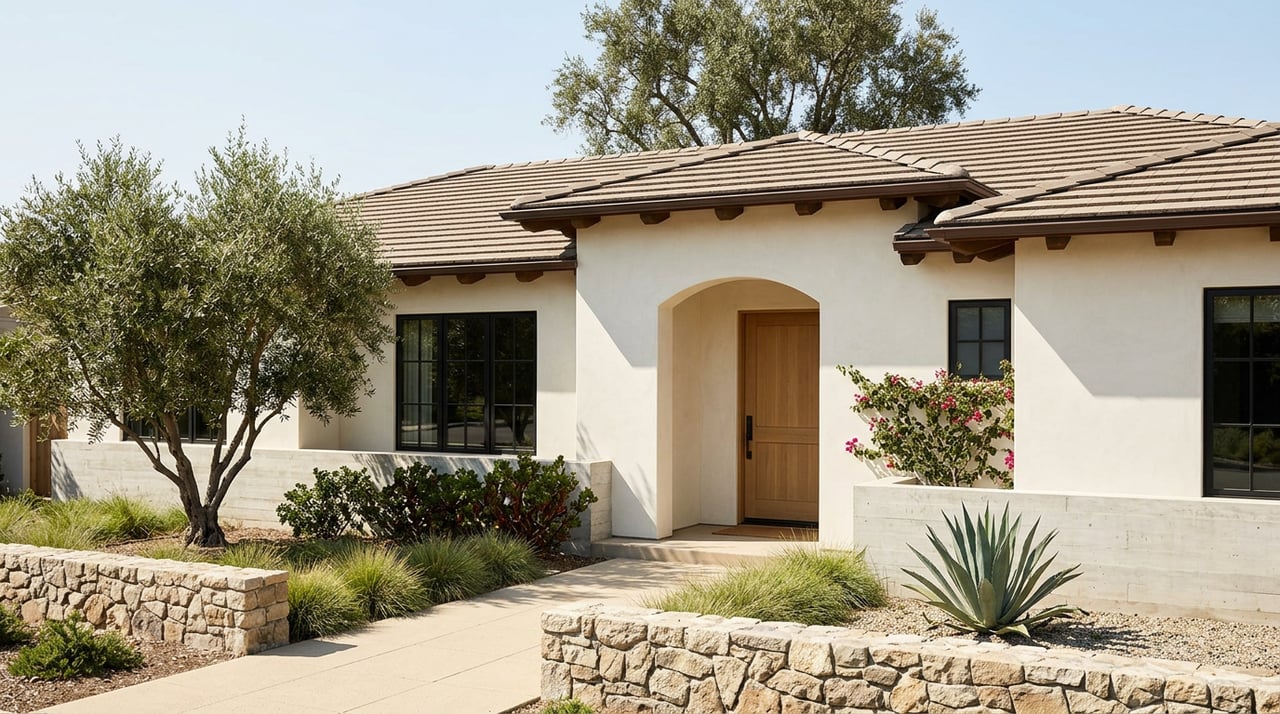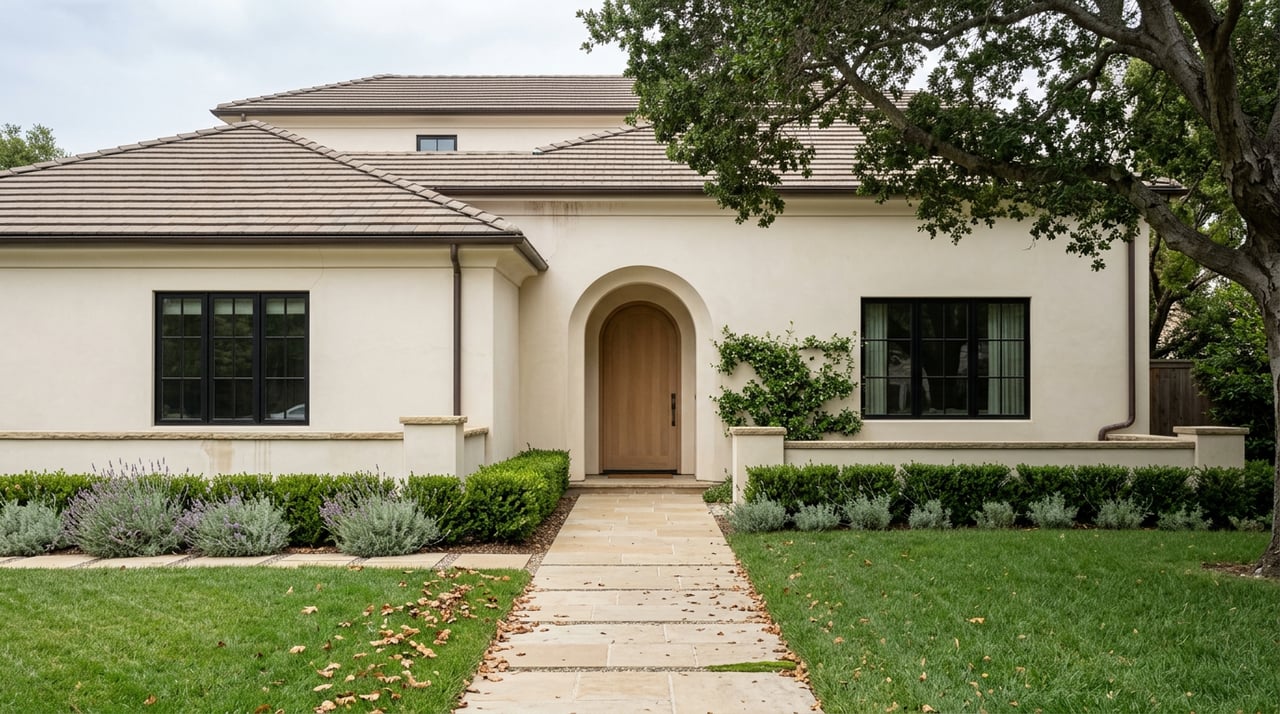
Picture two Folsom listings side by side, both asking $750,000, both four bedrooms, both move-in ready. Run the same rate, the same down payment, the same loan program on each one, and you'd expect the same monthly payment. You won't get it. One of these homes carries a special tax that the other doesn't, and depending on which side of that split you land on, the gap can run into hundreds of dollars a month before you've compared a single upgrade or square foot.
That tax is Mello-Roos, and in Folsom right now it isn't a footnote. It's the reason the newest, most polished new-construction phases in town can carry a heavier ongoing bill than a 1990s-era home two miles away, even when the older home looks like the less exciting purchase on paper.
The Number Hiding Behind the 1% You Already Know About
Every homeowner in California knows the basic rule: property taxes are pegged to roughly 1% of assessed value under Proposition 13, with modest annual increases capped while you own the home. What catches buyers off guard is everything layered on top of that base. Voter-approved school bonds, city bonds, and special district assessments get added in based on your specific Tax Rate Area, and in most of Sacramento County that pushes the real combined rate to somewhere between 1.05% and 1.3% of assessed value.
Mello-Roos is a different animal entirely. It's a special tax created by a Community Facilities District, or CFD, to pay off bonds that funded the roads, parks, and infrastructure a new neighborhood needed before a single house went up. It shows up as its own line item, separate from the 1% base, and in communities where it's active it can push the combined effective rate to roughly 1.5% or higher. It's also a lien tied to the parcel, not the person, so it transfers to whoever buys the home next.
That distinction, active CFD versus no CFD, is exactly what separates Folsom's newest phases from its older ones.
Folsom Ranch Is Already Close to the City's Own Ceiling
The clearest example just happened. In 2025, the Folsom City Council approved a new Community Facilities District, CFD No. 20-1, covering Russell Ranch Phase 2, Village 5. It doesn't replace the existing district covering that stretch of the Folsom Plan Area south of Highway 50, CFD No. 19-1. It stacks on top of it.
According to the city's own staff report, the combined effective tax rate for developed residential property in Village 5, base district plus the new overlay, lands at approximately 1.8% of property value. Strip out the new overlay and the base district alone runs about 1.6%. The city's adopted policy is to keep total new-residential tax rates under 2%, so 1.8% isn't a violation of that ceiling. It's close enough to it that there isn't much room left to add more.
City staff described the purpose plainly:
"This district will ensure that essential services and infrastructure continue to be funded as new homes are built."
That's true, and it's also the tradeoff. The infrastructure that makes a brand-new Folsom Ranch neighborhood feel finished, the roads, the parks, the pedestrian connections that Russell Ranch's developer, The New Home Company, and its later-phase builder, Lennar Homes of California, are building out, gets paid for through that special tax. Starting in fiscal year 2026-27, the maximum rate for the new overlay district also increases by 2% annually. The clock on that bill isn't just running, it's built to climb every year.
Three Miles Away, the Clock Is Running Out, Not Starting Over
Now compare that to Folsom's older stock. Homes in the Empire Ranch area, built out mostly in the 2000s, typically carry CFDs in the $2,500 to $5,500 a year range, with an estimated 10 to 20 years of bond term left as of this year. That's a real cost, but it's a fixed and shrinking one. Neighborhoods from Folsom's 1990s expansion, areas like Broadstone and Willow Creek, generally predate the current wave of CFD-heavy master planning altogether, or carry CFDs from that earlier era that may have as little as 5 to 15 years of bond term remaining by 2026.
Mello-Roos bonds in the Folsom and Roseville area typically run 25 to 40 years from the date they're issued, with escalation clauses of roughly 2% to 4% a year built in. A brand-new CFD in 2026 is at the very start of that meter. A CFD formed in the early 1990s is nearly at the end of it. Same tax mechanism, opposite direction of travel.
What This Actually Costs, Side by Side
Applying the effective rates above to the same $750,000 assessed value makes the gap concrete:
| Older Folsom neighborhood (legacy or no CFD) | New Folsom Ranch phase (active CFD stack) | |
|---|---|---|
| Effective tax rate | 1.05% to 1.3% | roughly 1.8% |
| Annual property tax | $7,875 to $9,750 | roughly $13,500 |
| Monthly difference | baseline | $300 to $470 more |
That's before comparing interest rates, homeowners insurance, or HOA dues. A slightly higher mortgage rate on a home without an active CFD can still produce a lower total monthly payment than a lower rate on a home with one, depending on the size of the special tax. The list price tells you almost nothing about which side of that gap you're on. Only the tax bill does.
Where to Actually Find the Number Before You Write an Offer
None of this requires guesswork, but it does require asking for documents most buyers never think to request.
- Pull the seller's most recent secured Sacramento County property tax bill and look for a line labeled Community Facilities District, CFD, or Special Tax.
- Check the MLS remarks and fields, which should note whether Mello-Roos applies and, ideally, the current amount.
- Review the preliminary title report. Recorded CFD liens and bond information show up there.
- Read the seller's Transfer Disclosure Statement, where special assessments are required to be disclosed.
- Ask your lender to build the current CFD levy into your escrow estimate, not just the base 1% rate, so the number you're qualifying against matches the number you'll actually pay.
One more timing detail worth knowing if you're closing this fall: Sacramento County mails annual secured tax bills by November 1, with the first installment due that same day and delinquent after December 10. If you buy a home this year for more than the seller's current assessed value, expect a separate supplemental tax bill later, based on the difference, that your lender typically will not escrow for. It arrives on its own, usually four to eight months after you move in, and it's your responsibility to pay it directly.
A Few Questions Worth Settling Before You Compare Two Listings
Does Mello-Roos ever go away? Yes, once the bonds behind it are retired. Folsom-area CFDs commonly run 25 to 40 years from issuance, though some formed in the early 1990s may have only 5 to 15 years left as of this year. Always confirm the remaining term for the specific parcel, not the neighborhood in general.
Does that make an older, non-CFD home automatically the smarter buy? Not automatically. It depends on the price gap, the interest rate, and whether the infrastructure that CFD paid for, newer parks, wider roads, a school site, is something you value. What it does mean is that the monthly math has to include that special tax line, not just the sticker price, before two homes at the same price are actually comparable.
How do I know if a specific Folsom address carries an active CFD? The county's secured property tax bill, the preliminary title report, and the MLS listing remarks should all show it. If any of those are unclear, ask for the current annual levy in writing before you write an offer.
Comparing two Folsom neighborhoods by list price alone leaves out the one number that changes what you're actually agreeing to pay every month for the next few decades. If you're weighing a newer phase in Folsom Ranch against an established neighborhood closer to town, Terri Cicchetti Realty Group can pull the actual current levy on specific addresses you're considering and walk through what it does to your real payment, not just your offer price.