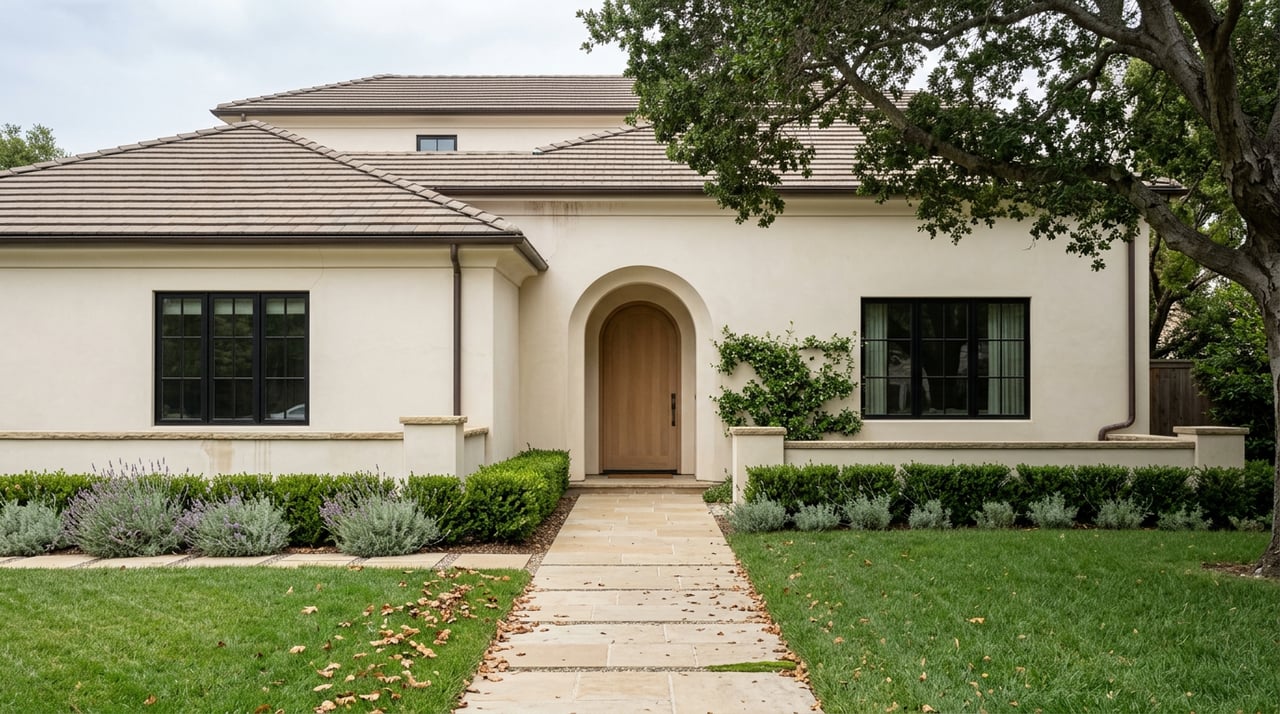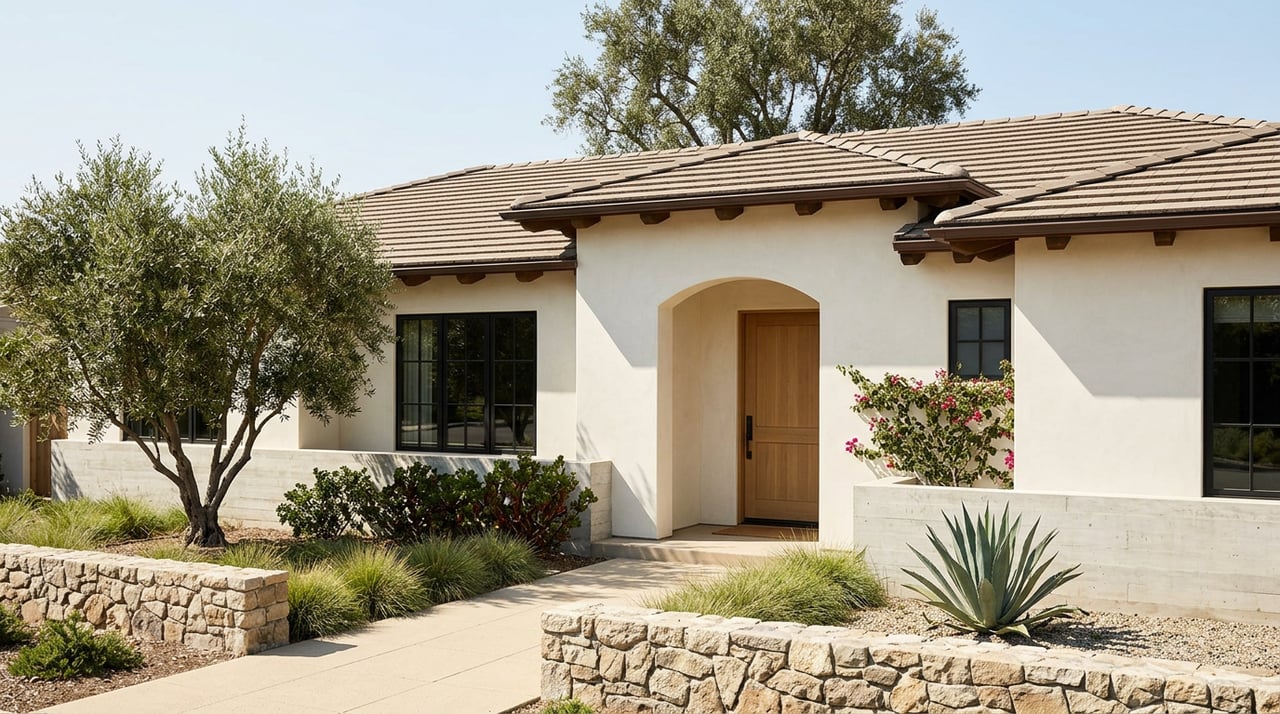
Can you actually add an accessory unit to that lot, or is the acreage doing more marketing work than plumbing work?
That's the question worth asking before you get attached to a Granite Bay listing with a detached garage, a guest house, or "room to build." Placer County spent the second half of 2025 and the start of 2026 rewriting a chunk of its septic rulebook specifically to make accessory dwelling units easier to build. That's real, and it matters. But Granite Bay sits almost entirely in unincorporated Placer County, on lots that mostly run on private septic rather than municipal sewer, and the county's own rules still require every ADU to answer to the same gatekeeper it always did: what the septic system on file can actually support. The zoning got friendlier. The dirt didn't.
What Actually Changed, and When
The Placer County Board of Supervisors adopted amendments to the county's Local Agency Management Program, known as the LAMP, in July 2025. The Central Valley Regional Water Quality Control Board gave final sign-off that October, and the updated rules took effect shortly after. The LAMP is the document that gives Placer County more local control over septic permitting than counties without one, and this round of changes was built specifically around two goals: lowering the cost of septic work and clearing a path for ADUs.
The update falls into three substantive buckets:
- The distance that triggers a mandatory sewer connection dropped from 300 feet measured from the property line to 200 feet measured from the structure itself, a narrower and more forgiving standard for parcels near a sewer main.
- A property needing septic repair or replacement can now skip a forced sewer connection if hooking up to sewer would cost more than double what fixing or replacing the septic system would cost.
- The county now allows smaller tank sizes in some cases and permits a new structure, including an ADU, to tie into an existing septic system when that system has the capacity to handle it.
Placer County Environmental Health director Jason Phillippe framed the changes as removing "unnecessary barriers for homeowners while continuing to protect public health and the environment." District 1 Supervisor and Board Chair Bonnie Gore put it more bluntly, noting that construction costs had made it "very challenging for people to make changes on their properties."
Layer on top of that a separate, statewide shift. As of January 1, 2026, California updated its ADU code again, and Placer County's own accessory dwelling unit pages currently note that the county is still working to align local rules with that update, advising property owners to check state code directly in the meantime. Two regulatory changes, stacked within about six months of each other, both pointed at the same target: making it cheaper and faster to add a second unit.
What Didn't Move
None of this erased the baseline rule that actually governs septic-served ADUs in Placer County. An ADU must be served by its own septic tank, and that tank has to be sized for a minimum of two bedrooms, regardless of how small the ADU itself is. If public sewer is physically and legally available within 300 feet of any part of the property boundary, the ADU is required to connect to that sewer instead of adding another septic system. And before any of that gets decided, Environmental Health has to pull the parcel's existing file: the age of the current system, its documented sizing, and whatever soils testing exists or still needs to happen.
That last part is where the county's own guidance gets specific. There is no minimum lot size for an accessory home in Placer County, but adequate water and sewage disposal still has to be demonstrated on a parcel-by-parcel basis. A five-acre Granite Bay lot with a well-documented, generously sized septic system and favorable soils can move through that review in a straightforward way. A five-acre lot with an older system, no reliable as-built records, or soil conditions that struggle with drainage faces a slower, more expensive path, even under the loosened rules, because the loosening applies to cost and distance thresholds, not to the physics of what a given piece of ground can absorb.
Permit conditions attached to a septic system also carry forward with the property. Whatever restrictions or repair-area reservations the county attached to a parcel years or decades ago don't reset when the title changes hands. A buyer looking at an older Granite Bay estate with mature landscaping isn't inheriting a blank slate. They're inheriting whatever the file already says, whether or not the current owner remembers what that is.
Two Lots, Same Price, Different Answer
Picture two Granite Bay listings priced within a few thousand dollars of each other, both sitting on roughly an acre, both zoned the same way. One has a septic system installed within the last decade, sized for the existing home with documented capacity to spare, on soil that percs well. Environmental Health can review that file, confirm the existing tank can serve a two-bedroom ADU, and the county's newly permitted smaller-tank option might even reduce what a buyer needs to install.
The other lot has a system old enough that its original permit predates digital recordkeeping, on a slope that would likely require a lift station to move wastewater uphill to the tank, a mechanical component the county evaluates as its own line item. Same list price. Same acreage. One can support a mother-in-law unit or a rental with a manageable review process. The other needs a soils consultant, a sewage disposal consultant, and a timeline measured in months before anyone knows whether an ADU is even on the table.
Nothing about the 2025 and 2026 rule changes closes that gap. If anything, by making ADUs more affordable to build where the septic capacity already exists, the update widens the practical difference between the two lots rather than narrowing it. The lots that could support an ADU get cheaper to build on. The lots that couldn't remain exactly as constrained as before.
Where the Answer Actually Lives
This is not a question a listing photo, a lot size number, or a real estate description can settle. The answer sits in the parcel's file at Placer County Environmental Health, which reviews the system's age, its documented sizing, and any repair-area reservations before telling anyone whether an ADU is realistic. For an older or undocumented system, that review usually means bringing in a sewage disposal consultant for soils testing, sometimes referred to locally as perc and mantle testing, before Environmental Health will issue a determination.
Buyers weighing a Granite Bay property specifically for its ADU potential are better served pulling that file early rather than waiting for it to surface during escrow, when a lender asking for compliance documentation on a system nobody has pumped in years can stall a closing timeline that was never built to absorb the wait. Sellers preparing to list a large lot benefit from the same sequence in reverse: a recent pumper's report and a clean evaluation history in hand before the property goes live removes one more variable a buyer's lender will otherwise ask about mid-contract.
Local contractors who build ADUs in Granite Bay, including firms like Solid Construction & Design, routinely start projects by pulling that same septic and setback information before drawing plans, precisely because a design that looks fine on paper can run into a wall once the county checks what the ground underneath it can actually handle.
The Market Gave This More Room to Breathe
As of August 2026, Granite Bay's median sale price sat around $1,265,000, essentially flat compared to a year earlier, while the typical home took a median of 24 days to go under contract, up from roughly 16 days the year before. That stretch from 16 to 24 days sounds small, but it's the difference between a septic evaluation happening on its own schedule and a septic evaluation getting skipped because there was no room in the calendar for it.
In a market where offers went under contract in two weeks, a buyer whose financing depended on confirming septic capacity for a future ADU had almost no slack to let the county's review run its course before the contract deadlines arrived. With roughly a week of additional breathing room now built into the typical Granite Bay transaction, there's more space to request the file, schedule the soils testing if it's needed, and get an actual answer before removing contingencies rather than after.
Frequently Asked Questions
Does the county's rule change mean every septic lot in Granite Bay now qualifies for a smaller tank? No. Smaller tank sizes are now an option the county allows, but Environmental Health still sizes each system to the specific parcel's file, soil conditions, and bedroom count. A lot with unfavorable soils or an undocumented older system may still require the same testing and sizing process as before the update.
Can an ADU on septic be rented, and does that change the septic requirement? State and county rules generally allow ADUs to be rented, though Placer County prohibits renting an accessory home for stays of thirty days or less. The minimum two-bedroom septic sizing requirement applies regardless of whether the unit is rented, used for family, or kept vacant.
If my lot already sits within 300 feet of public sewer, do I still need to think about septic capacity? If public sewer is physically and legally available within 300 feet of any part of the property boundary, the ADU is required to connect to that sewer line rather than add to the septic system. At that point the relevant question shifts from septic capacity to the cost of the sewer hookup itself.
If you're comparing Granite Bay properties with an ADU in mind, whether for aging parents, adult children, or rental income, the septic file will tell you more than the listing sheet ever will. Terri Cicchetti Realty Group can help you get that file pulled and reviewed before you write an offer, not after. Contact Us.